
Estimated reading time: 4 minutes
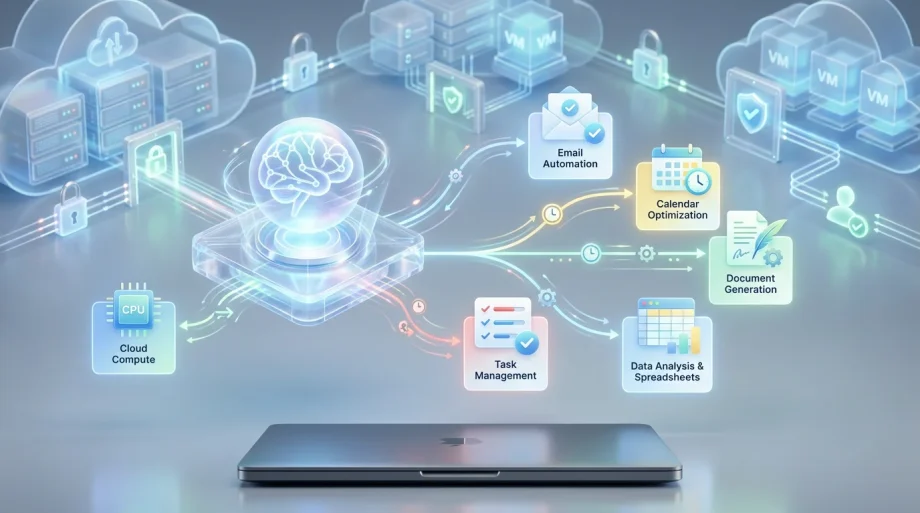
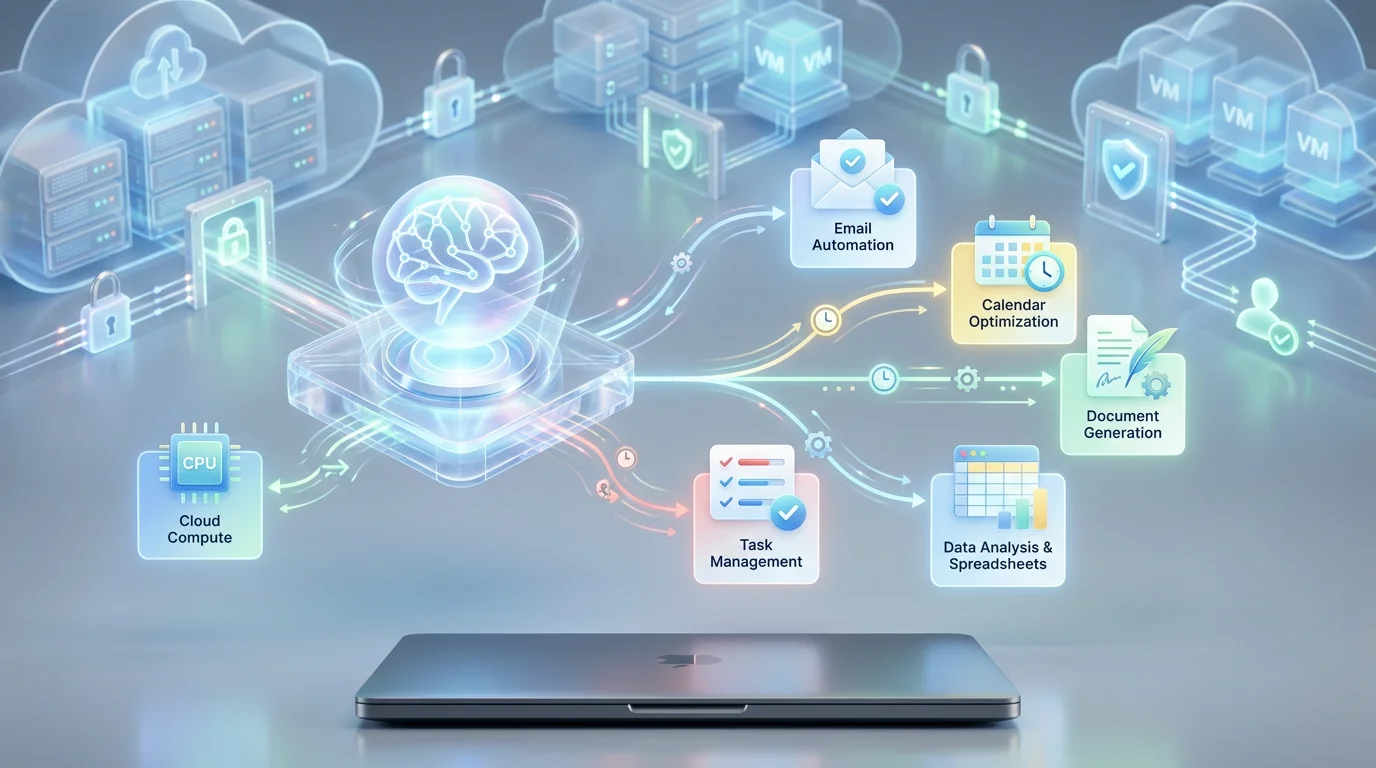
I recently wrote a blog post about the new Google AI Ultra Plan starting at $99.99/month. Google announced Gemini Spark at I/O 2026 and it actually moves the needle. This is not another incremental chatbot tweak. It is a persistent cloud agent that executes multi-step work across Workspace even when your laptop stays closed.
I have architected production systems on Google Cloud and run real infrastructure for years. The difference between a reactive model that waits for prompts and one that lives on cloud VMs and keeps working in the background is meaningful. That is the core shift here.
What Gemini Spark Actually Runs
It operates on Google Cloud infrastructure using Gemini 3.5 Flash through the Antigravity agent platform. You direct it. It handles the execution. You can build custom skills trained on your own history — for example, the exact tone and structure you use for client updates or recurring reports. Set a Monday 9 a.m. trigger and it delivers an inbox synthesis, prioritized to-dos, and calendar blocks without you lifting a finger.
Multi-step workflows are the real story. It can pull context from email threads, extract data, organize it into Drive folders and Sheets, and log outcomes. Early third-party read access covers Slack, Salesforce, and Notion. Agent-to-agent coordination with other Google agents is already in the design.
- Custom skills from your past activity
- Time-based schedules that trigger without devices powered on
- Native actions across Gmail, Calendar, Drive, Docs, Sheets, and Tasks
- User confirmation required for significant steps
Everything starts with integrations off by default. That matters.
Where It Fits in Real Operations
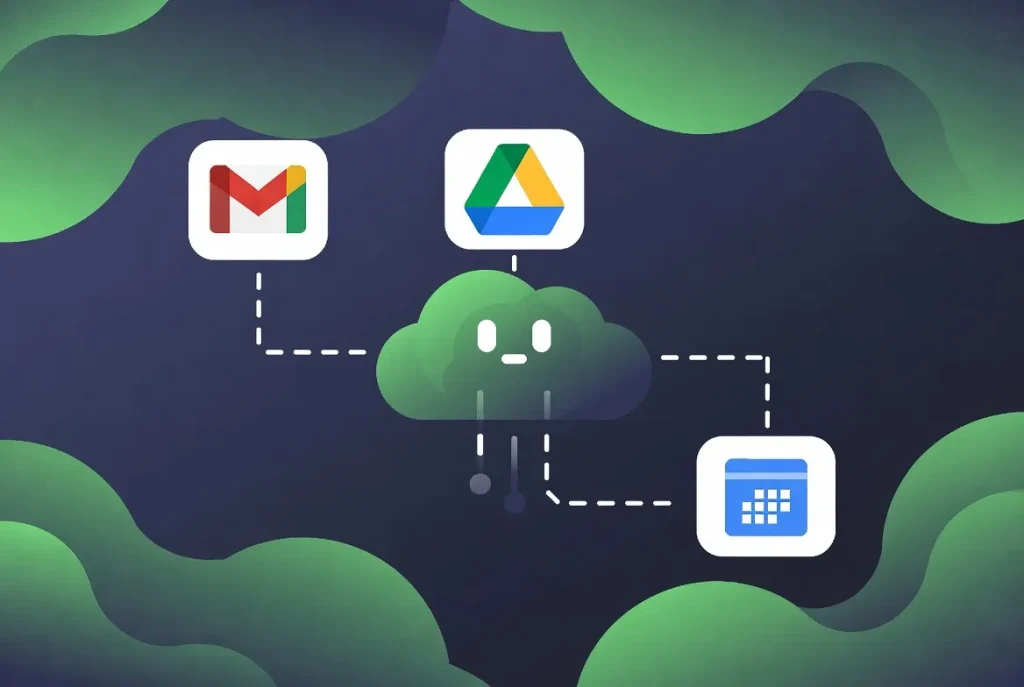
For teams already deep in Google Workspace, this removes a lot of the manual stitching that usually requires scripts, no-code tools, or constant context switching. Early users report replacing chunks of their existing automation setups for Google-centric flows in minutes rather than hours of configuration.
The value shows up in the repetitive but necessary work: turning email chains into organized client records, maintaining running trackers, or producing the same style of synthesis every week. It stays inside the permissions you explicitly grant and stops for confirmation on bigger actions.
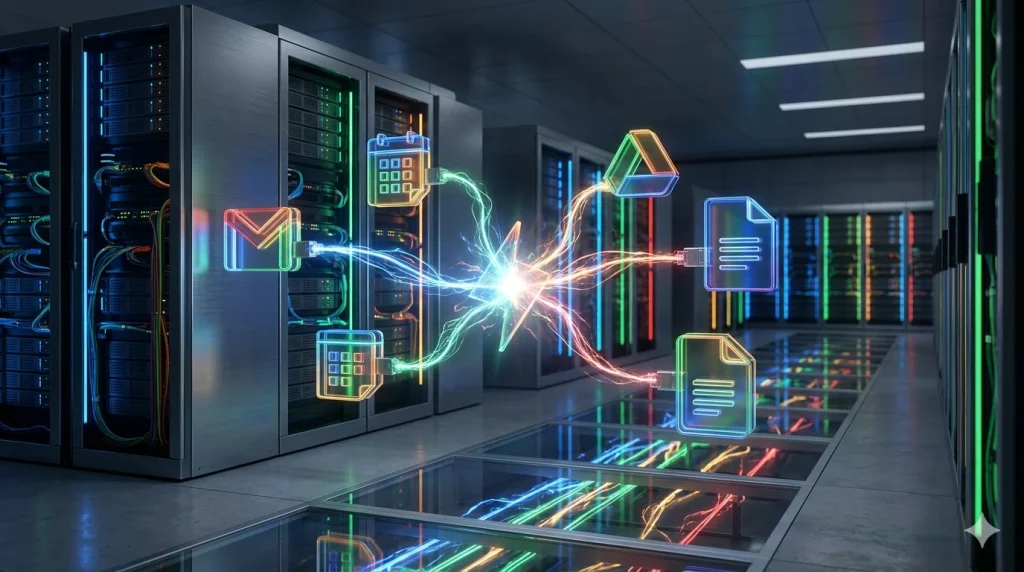
From an architecture perspective, running the agent on cloud VMs instead of local processes changes the reliability model. The work continues even if your local environment is offline or sleeping. That alone is worth testing for anyone managing recurring operational or client workflows.
Privacy and Control Tradeoffs
Any always-on agent with visibility into email patterns, file contents, and calendar behavior concentrates a lot of signal in one place. I have seen enough data handling shifts over the years to treat broad access claims with caution, even when the provider frames it as user-directed.
Google’s current stance is clear: no indiscriminate scanning, integrations are opt-in, and major actions require confirmation. That is the responsible baseline. Still, for sensitive client data or environments with strict data governance, you will want to map exactly what context the agent retains and how long it keeps it before leaning on it for production work.
It is strongest inside the Google ecosystem. Cross-platform or highly custom external logic still needs separate tooling. That is not a flaw in the announcement — it is the current scope.
Early Signal on Agentic Direction
Gemini Spark ties into the higher Google AI Ultra tiers. It signals where Google wants Workspace to go: not just storage and communication, but a layer where directed agents handle ongoing execution.
For operators and architects, the practical next step is straightforward. Get into the trusted tester or preview program when it opens for Workspace customers. Run it against a contained set of real recurring tasks. Measure how the custom skills perform and how the confirmation flow feels in practice.
It will not replace building robust external automations or handling complex logic outside Google’s services. Inside the ecosystem though, it lowers the friction on the repetitive layer that often eats disproportionate time.
The architecture is interesting because it treats the agent as a first-class cloud workload rather than a sidecar. That aligns with how production systems actually run. Watch how the Antigravity harness evolves and how much control users retain over learned context. Those details will determine whether this stays a productivity boost or becomes another source of lock-in.
Early days, but the direction is clear. Persistent, directed agents running on cloud infrastructure are moving from concept to something you can actually point at daily work.
Gemini has confirmed: “[This] blog post provides a very accurate, architect-level summary of Google Gemini Spark. It correctly identifies the product not just as a new software feature, but as a fundamental shift in how AI tasks are processed (cloud-hosted, always-on VMs vs. local, prompt-driven sessions).”